About
In the mid-nineteenth-century John Carter Brown began collecting “Americana,” a term that traditionally denoted books, maps, and manuscripts related to the history of the Americas from the arrival of Europeans c. 1492 to the independence movements of the late-eighteenth and early-nineteenth centuries. We still embrace that term today, and indeed it’s carved over the front doors, even as the library takes an expansive view of its interpretation.
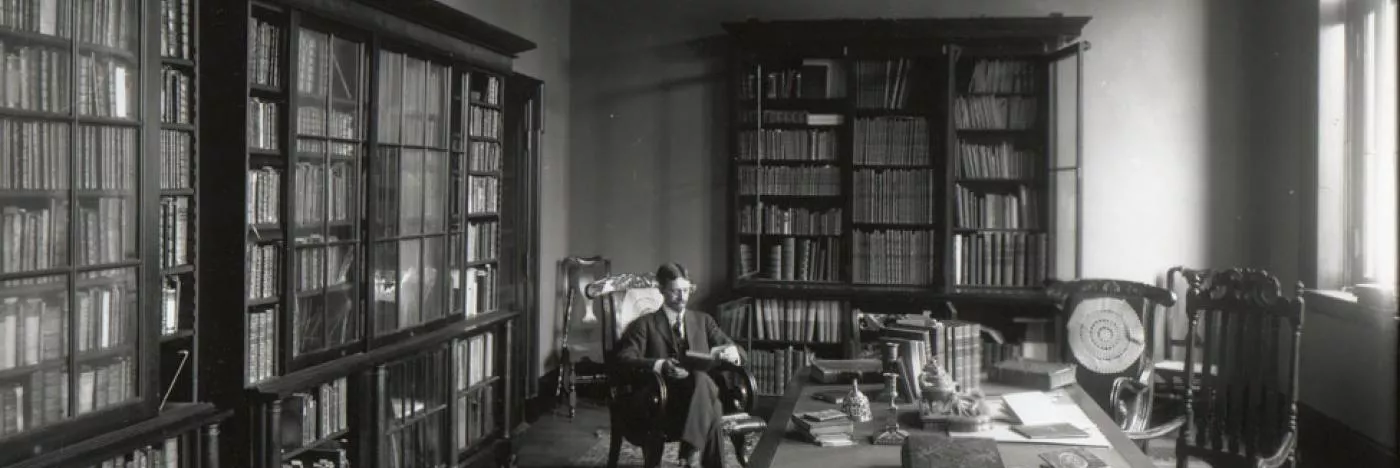
The JCB’s building, a gift from John Carter Brown’s son, opened in 1904; always focused on serving researchers, the library now offers a fellowship program that supports about 50 scholars from around the world each year; a commitment to the full digitization of the library’s collections and a digital program for supporting a dynamic environment of digital scholarship; a world-class curatorial and library staff, with professional expertise in the fields the library serves and the collections it stewards; extensive academic and public programming; and an onsite and remote research environment for anyone wishing to develop, learn, and share the complex and interconnected histories of the early Americas.